
Learn the foundations first
Start with the broad crypto guide, then move into investing, wallets, custody, and safer first steps.
Open beginner pathPractical evergreen guides for crypto beginners and investors covering Bitcoin, blockchain basics, wallets, stablecoins, tokenomics, altcoin research, mining, and safer investing frameworks.
The Knowledge hub is the evergreen foundation of Crypto Metric Analytics. It is designed for readers who want to understand crypto markets before reacting to headlines: how Bitcoin works, why Ethereum matters, what stablecoins do, how ETF flows affect market structure, what wallets protect, and how to research tokens without leaning on hype.
Start with the beginner path if you are new to digital assets. The broad crypto guide, blockchain basics, Bitcoin guide, and investing roadmap build the base layer. From there, move into topic clusters: Bitcoin supply and mining, Ethereum and Layer 2 networks, stablecoins and depegs, tokenomics, altcoins, cold wallets, ETF flows, regulation, and market sentiment indicators.
Knowledge articles are meant to age better than a news recap. They define terms, separate useful signals from noise, explain trade-offs, and link to related guides so readers can build a clearer framework over time. They do not offer trading calls, price targets, or personalized investment advice.
Use News when you need the latest weekly context. Use Knowledge when you need the underlying mechanics. The strongest reading path usually combines both: a current article shows what changed, and an evergreen guide explains why that change matters.
These are the Knowledge guides we recommend in order for new readers. Build the foundation first, then use the later pages for valuation, sentiment, and broader market structure.
Start with the broad crypto guide, then move into investing, wallets, custody, and safer first steps.
Open beginner pathUse the Bitcoin guide, halving, mining, and hashrate explainers to understand the strongest infrastructure cluster on the site.
Open Bitcoin pathUse the research, tokenomics, market-cap, and stablecoin guides to judge crypto assets more clearly and avoid weak narratives.
Open research pathThese are the recurring themes the archive keeps returning to. Each opens with the strongest evergreen anchor, then branches into current context and reporting.
The archive below includes both core guides and supporting explainers. The strongest beginner and Bitcoin pages are surfaced above so lower-priority utility content does not define the section.

Compare the best overall and premium cold wallets by security model, usability, supported assets, recovery design, ecosystem, and …

Compare cheaper safe cold wallets for budget buyers by security basics, recovery process, supported assets, official-channel …
Early crypto projects need careful checks on market cap, tokenomics, liquidity, team quality, unlocks, and whether the story is …

Crypto airdrops can reward early users, but weak tokenomics, sybil rules, scams, and low-value campaigns make the details matter.
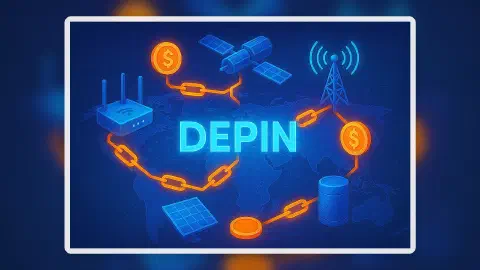
DePIN projects use tokens to coordinate physical infrastructure such as wireless, storage, sensors, or compute, but real demand …
Restaking lets ETH validators or liquid-staking holders secure additional networks, but the extra yield adds slashing, …

Meme coins trade on attention, community, and speculation, which makes market cap, liquidity, token supply, and position sizing …
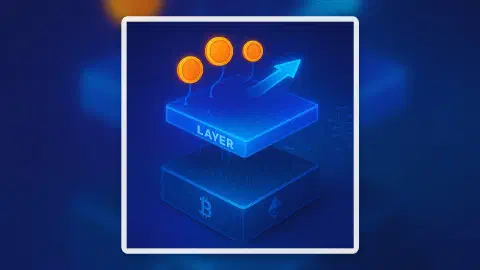
Layer 1 and Layer 2 networks solve different scaling problems: one secures the base chain, while the other moves activity faster …

Decode common crypto market terms like HODL, FOMO, liquidation, market cap, DeFi, and wallets without treating slang as strategy.